Tech Stocks Hit a Wall as Global Markets Slide: Are Semiconductors Overheated?
Keywords: Nasdaq futures, S&P 500 futures, semiconductor stocks, global selloff, Korea Kospi, risk-off sentiment, market correction, US equities, Asia markets, geopolitics, investor caution
Introduction
After weeks of seemingly unstoppable gains, the market finally took a step back on Tuesday—and it wasn’t a gentle one. Futures tied to US technology shares fell sharply, joining a broader global selloff as investors began to question whether the recent surge in semiconductor stocks had simply gone too far, too fast.
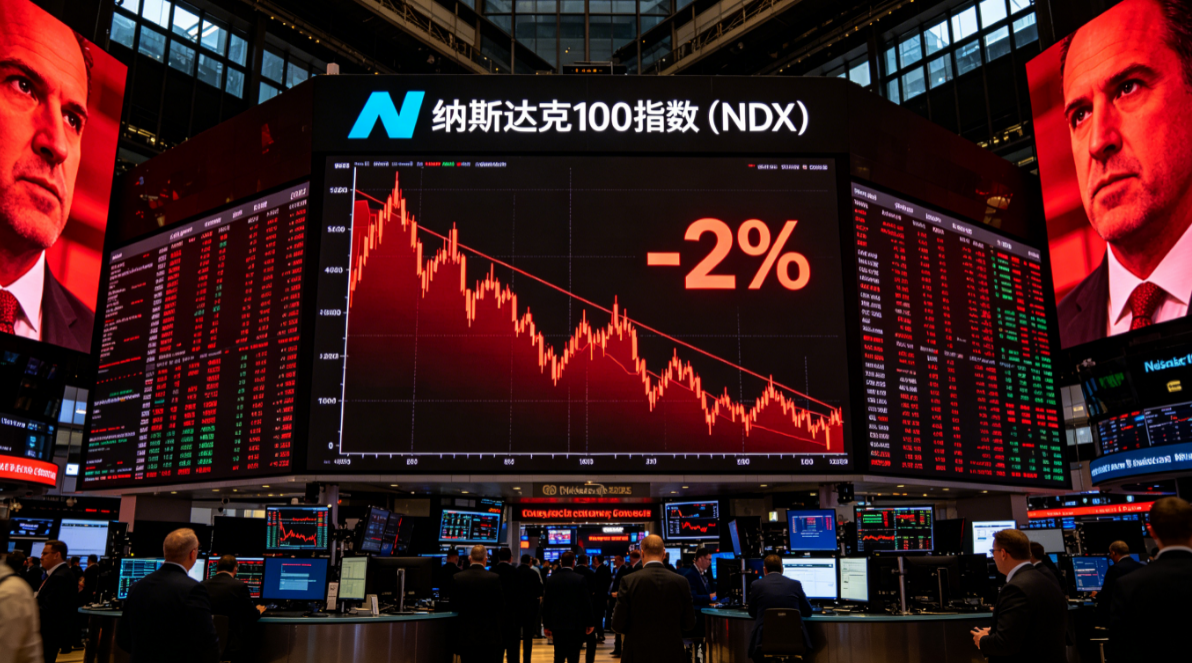
The mood in markets shifted quickly. Nasdaq 100 futures dropped as much as 2%, while S&P 500 futures were down 1.1%. In Asia, the pain was even more obvious: South Korea’s Kospi index tumbled more than 9% at one point, triggering a circuit breaker and forcing trading to pause. Meanwhile, European futures also softened as investors looked for signs of progress on a potential peace agreement between the US and Iran, another reminder that geopolitics can still shake financial markets in a big way.
What happened on Tuesday wasn’t just a one-day wobble. It was a clear signal that investors may be reassessing how much enthusiasm they want to keep pouring into the hottest corners of the market.
A Sharp Wake-Up Call for Tech Bulls
Technology has been the star of the market for a long time, and semiconductors have been the brightest part of that story. Chips power everything from smartphones and AI data centers to electric vehicles and cloud infrastructure, so it’s no surprise that investors have treated the sector like a golden ticket.
But every strong rally eventually runs into the same question: how much is already priced in?
That question seems to be hanging over the semiconductor trade right now. Chip stocks have rallied hard on excitement around artificial intelligence, supply chain recovery, and the idea that demand for advanced computing will keep rising. The problem is that when a sector becomes too crowded, even good news stops being enough. At that point, investors stop asking whether a company is growing and start asking whether the stock has already outgrown reality.
Tuesday’s weakness suggests that some traders are taking profits, while others are becoming more cautious about valuations. In simple terms: when prices rise too quickly, the market starts looking for a reason to breathe.
Why the Selloff Spilled Across Regions
One of the most interesting things about this move is that it wasn’t limited to the US. The selloff spread across Asia and Europe, which tells us the problem is bigger than one market or one sector.
South Korea’s Kospi index suffered one of the most dramatic moves, plunging more than 9% intraday and hitting a circuit breaker. That kind of move is rare and usually points to a combination of factors: heavy exposure to technology and chip-related names, crowded positioning, and nervous investors all trying to get through the same exit door at once.
South Korea is especially sensitive to semiconductor sentiment because of its heavy weighting in chip-linked companies. So when global investors get nervous about semis, Korean equities tend to feel it almost immediately.
Europe wasn’t spared either. Euro Stoxx 50 futures slipped 1.1%, showing that the sour mood had gone global. When markets begin falling in sync like this, it usually means investors are not just reacting to company fundamentals—they are also reacting to psychology, positioning, and a general shift away from risk.
The Real Fear: Not Just Valuation, But Crowding
It’s tempting to say, “Tech stocks were due for a pullback.” That’s true, but incomplete.
The bigger concern is crowded trading. When too many investors own the same winners, the trade becomes vulnerable. If everyone likes the same names, then nobody has much fresh capital left to push prices higher. And once a few investors start locking in gains, the whole thing can feel heavier very quickly.
This is especially relevant for semiconductors, where optimism has been built on a fairly narrow narrative: AI demand will keep booming, chip capacity will stay tight enough to support pricing, and capital spending will translate into future profits. That story is powerful, but markets don’t like linear thinking. They like surprises, and usually on the downside.
If earnings growth slows even a little, or if companies warn that demand is normalizing, the stock reactions can be brutal. That doesn’t mean the semiconductor theme is broken. It just means the market may be moving from “anything related to chips is brilliant” to “show me the numbers.”
What Investors Are Watching Next
For now, traders are focused on a few big questions.
1. Is this a healthy correction or the start of something bigger?
A pullback after a strong run is not unusual. In fact, it can be healthy. Markets that only go up tend to build more risk underneath the surface. A reset can clear out weak hands and restore some balance.
But if the decline deepens, investors will start worrying that this is more than routine profit-taking. They’ll look for signs of forced selling, margin pressure, and whether fund managers are reducing exposure broadly rather than just trimming a few winners.
2. Are rates, inflation, and central bank expectations still supportive?
Tech stocks have a special relationship with interest rates. When rates are low or expected to fall, future earnings are worth more today, which tends to support growth stocks. When rates rise—or stay high for longer than expected—valuations can get squeezed.
So even if the selloff looks like a “tech event,” it may also reflect broader uncertainty about the macro backdrop. Investors want confidence that inflation is under control and that policy won’t stay restrictive forever.
3. Does geopolitics add another layer of risk?
The market is also watching developments tied to a possible US-Iran peace agreement. That may sound separate from tech shares, but global markets rarely move in neat little boxes. Peace talks, tensions in the Middle East, energy prices, and risk sentiment are all connected.
If investors see progress on diplomacy, it can support a more stable risk environment. If talks stall or tensions rise, risk assets can lose another layer of support. In a market already on edge, even a small geopolitical surprise can matter.
Why This Matters Beyond a Single Trading Day
A one-day slump can be dismissed. A global selloff across futures, Asia, and Europe deserves more attention.
Why? Because it suggests investors may be rethinking the assumption that the strongest trades always stay strong. That’s an important psychological shift. For months, the market narrative has been shaped by a relatively simple idea: buy the leaders, especially the technology names tied to artificial intelligence and semiconductors.
But markets are rarely that easy for that long. The more a trade becomes consensus, the less room there is for disappointment.
This kind of reset can also broaden the market if it lasts. If money rotates out of the most crowded tech winners, it may move into other sectors like industrials, healthcare, or consumer names that have lagged behind. That would not necessarily be bad news. In fact, a healthier market often needs leadership to rotate instead of one theme carrying everything on its back.
Conclusion
Tuesday’s global selloff was a reminder that even the strongest market themes can run into resistance. Nasdaq futures dropped sharply, S&P 500 futures softened, South Korea’s Kospi hit a circuit breaker, and European futures followed the cautious tone. At the center of it all was a growing concern that semiconductor stocks may have climbed too far ahead of fundamentals.
That doesn’t mean the technology story is over. Semiconductors remain central to AI, digital infrastructure, and the next wave of computing. But the market is clearly telling investors to slow down and ask a tougher question: are we buying growth, or just paying up for excitement?
For now, the answer seems to be that the market wants a pause. Whether this becomes a short breather or the start of a deeper correction will depend on earnings, rates, geopolitics, and whether investors still believe the chip boom has more runway left.
In other words, the party isn’t necessarily over—but the music has definitely gotten a little quieter.