Semiconductors at a Crossroads: AI Demand, Memory Cycles, and Capital Market Volatility
Keywords: Semiconductors, AI Chips, Memory Market, Foundry, Chip Stocks, IPO, Capital Allocation, Semiconductor Industry
Introduction
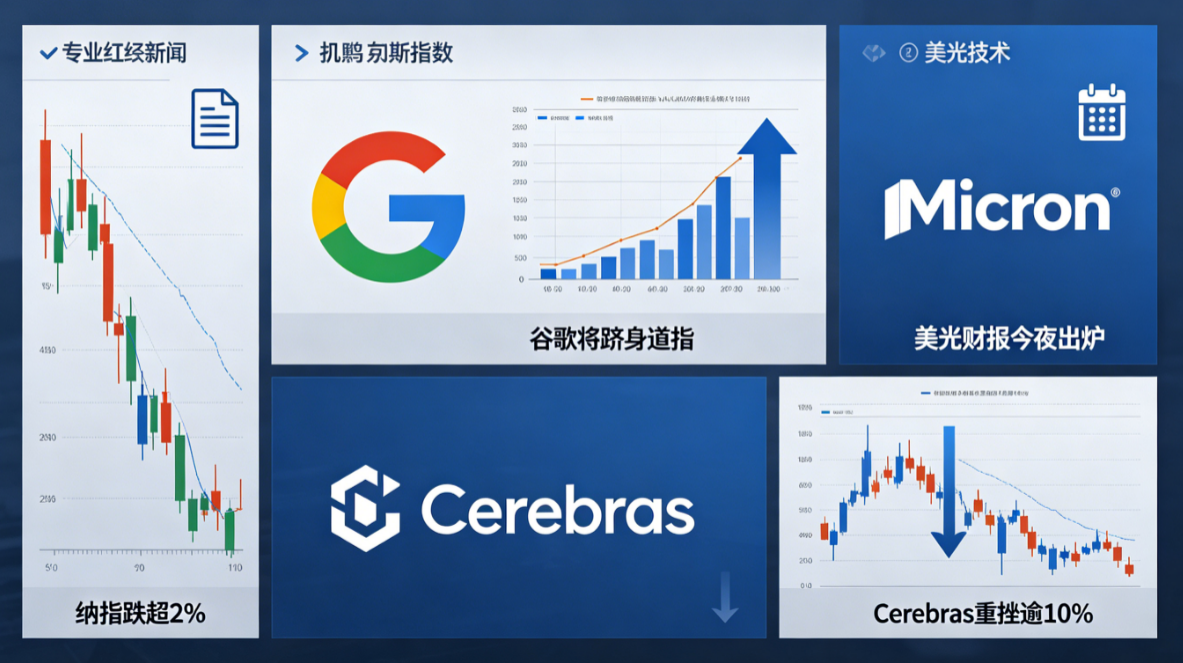
The semiconductor industry remains one of the most strategically important sectors in the global economy. It powers everything from smartphones and data centers to autonomous systems, industrial automation, and artificial intelligence. Yet despite its long-term growth profile, the industry is far from immune to market volatility. In recent weeks, investors have been reminded that semiconductor stocks can swing sharply when sentiment shifts around memory pricing, AI enthusiasm, and broader equity-market risk appetite.
Market Sentiment: Why Semiconductors Are Under Pressure
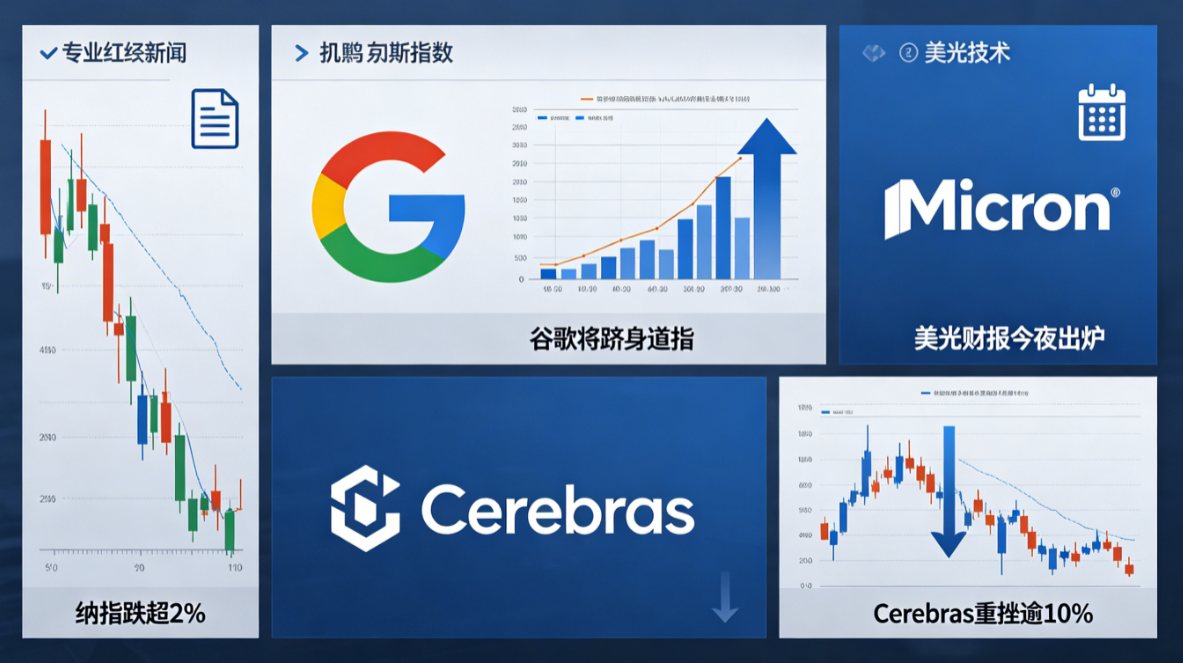
One of the clearest signals in the current market is that semiconductor equities are being pulled in multiple directions at once. On the one hand, the structural demand story remains intact: AI infrastructure, cloud computing, edge devices, and advanced packaging continue to support long-term capital expenditure. On the other hand, investors are increasingly sensitive to valuation, earnings execution, and the sustainability of demand in memory and AI-adjacent names.
The recent selloff in memory stocks is particularly important. Memory chips, including DRAM and NAND, are historically cyclical, and their pricing tends to reflect supply-demand imbalances more quickly than other parts of the semiconductor stack. When memory stocks weaken, it is often a sign that the market is recalibrating expectations for inventory levels, customer spending, and future margins. For semiconductor investors, this can be an early warning that the next earnings season may not be uniformly strong across the industry.
At the same time, the broader equity market can amplify these moves. When major indices retreat, high-growth technology and semiconductor names are often hit hardest because they carry elevated expectations. Even companies with strong secular tailwinds can see share prices fall if traders fear that the market has priced in too much future growth too soon.
AI Demand Is Still Real, but Selective
The most powerful long-term driver in semiconductors remains artificial intelligence. Demand for GPUs, AI accelerators, high-bandwidth memory, advanced interconnects, and data-center networking remains robust. However, the market is becoming more selective about which companies can convert AI demand into durable earnings growth.
AI spending is no longer viewed as a blanket bullish case for all chip companies. Instead, investors are focusing on three factors:
-
Whether the company supplies a true bottleneck component
Firms that control critical parts of the AI infrastructure, such as advanced memory or leading-edge processing, often enjoy stronger pricing power. -
Whether demand is broad-based or customer-concentrated
Heavy exposure to a small number of hyperscale customers can create volatility if spending patterns shift. -
Whether margins can be sustained
Rapid growth is not enough if capital intensity rises too quickly or if competition erodes profitability.
This is why earnings releases matter so much. Even a company with strong revenue growth can disappoint if guidance suggests slower order momentum, weaker gross margins, or a pause in customer capex. The market is looking for proof that AI demand is translating into recurring, scalable profits rather than a short-lived surge in excitement.
Memory Chips: The Cycle Still Matters
Among all semiconductor subsectors, memory remains the most cyclical. Unlike some analog or specialty chip businesses, memory pricing can change quickly based on supply discipline and end-market demand. This makes it especially vulnerable to investor repositioning.
A memory downturn does not necessarily imply structural weakness in semiconductors as a whole. In fact, the opposite can be true: strong AI data-center demand may coexist with softness in consumer electronics, PCs, and handset-related memory channels. But from a portfolio perspective, these divergences matter. Investors who treat the semiconductor sector as a single trade often miss the fact that AI chips, logic chips, foundry services, and memory products can move in different directions at the same time.
That distinction is increasingly relevant as companies announce capital spending plans. If memory producers continue to expand capacity aggressively while end demand normalizes, pricing pressure can return sooner than expected. This is why the current market reaction is best understood not as a rejection of semiconductors, but as a reminder that the industry still runs through cycles.
Earnings Season: A Reality Check for the Sector
Quarterly results are likely to determine whether semiconductor stocks regain momentum or remain range-bound. Investors are watching for several key indicators: order growth, backlog quality, inventory trends, gross margin stability, and management commentary on next-quarter demand.
Earnings from major chip names often serve as a read-through for the broader industry. If a leading memory supplier or AI accelerator vendor posts strong results, it can lift sentiment across the entire sector. But if guidance softens, the market can quickly move from optimism to caution.
The reaction to post-earnings weakness in certain AI-related names shows how fragile sentiment can be. Strong narrative value is no longer enough; investors want evidence of execution. This is especially true after a multi-quarter rally that has already embedded a great deal of future growth into share prices.
Capital Markets and the Semiconductor Ecosystem
The semiconductor sector is also being shaped by developments outside the chip supply chain itself. Capital markets play a central role in funding innovation, scaling manufacturing, and supporting ecosystem growth. A firm that can access public markets, strategic investors, or sovereign funding often has more room to invest aggressively in R&D and infrastructure.
That broader financing environment matters for emerging AI and semiconductor-linked companies as well. A public listing can provide capital for product development, talent acquisition, and expansion into new markets. It can also serve as a signal of confidence in the company’s long-term business model.
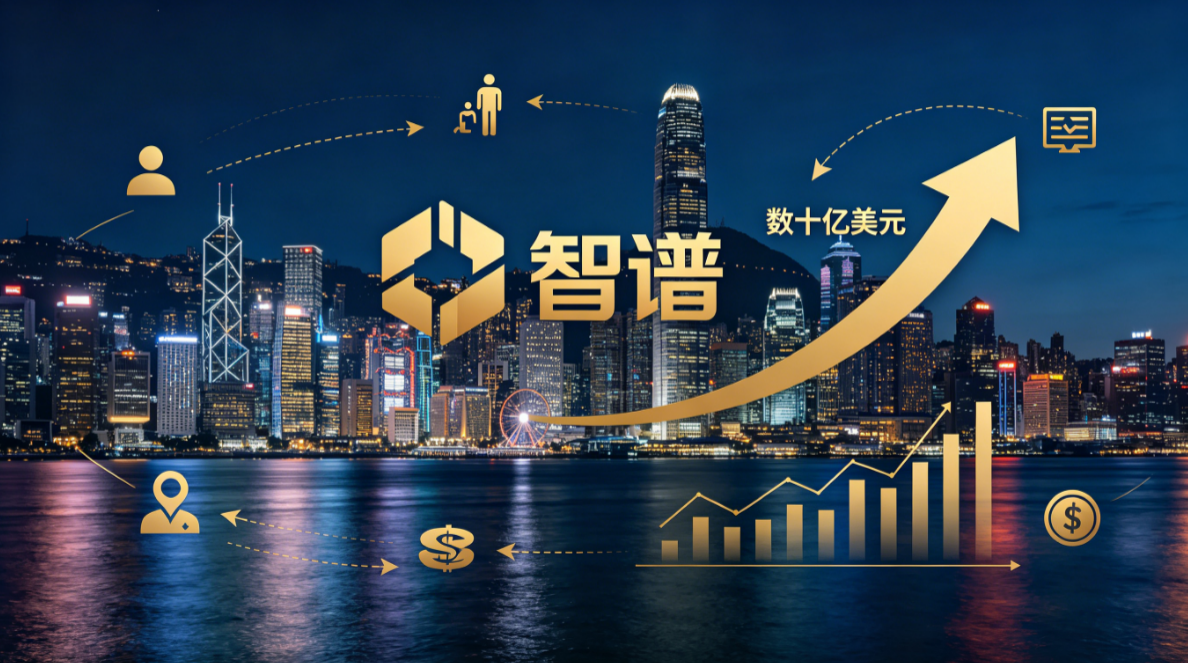
The reported consideration of a Hong Kong IPO by an AI company such as Zhipu AI highlights how closely the semiconductor and AI landscapes are now intertwined. AI model developers, chip designers, cloud providers, and hardware suppliers all depend on one another. As competition intensifies, access to capital becomes a strategic advantage, not just a financial one. A well-funded AI ecosystem tends to create more demand for accelerators, memory, networking chips, and advanced packaging solutions.
Strategic Outlook: What Investors Should Watch
Looking ahead, the semiconductor industry is likely to remain one of the most compelling but uneven parts of the market. The long-term thesis is supported by multiple trends: AI adoption, industrial digitization, automotive electrification, and the continuous need for more computational power. Yet near-term performance will depend on discipline, differentiation, and execution.
Investors should watch for:
- Memory pricing trends and inventory normalization
- AI capex announcements from hyperscalers
- Guidance on advanced-node capacity and utilization
- Gross margin trends in high-value chip segments
- Policy and export-control developments affecting global supply chains
These factors will shape not only individual companies, but also the valuation framework for the entire sector. In an environment where the market has become more selective, leaders will be those that combine technological moat with financial discipline.
Conclusion
Semiconductors remain foundational to the modern economy, but the sector is entering a more discriminating phase. AI demand continues to offer major upside, yet memory-cycle weakness and earnings sensitivity are reminding investors that not all chip exposure is equal. The best-performing companies will likely be those that can balance innovation with operational discipline, and growth with margin resilience.
In the near term, volatility may persist. But for investors and industry participants alike, the bigger picture is unchanged: semiconductors are still the backbone of the digital age, and their strategic importance is only increasing. The challenge is no longer whether demand exists, but which companies can capture it sustainably.